
Chicago Tech Trade Shows: Guide to McCormick Place
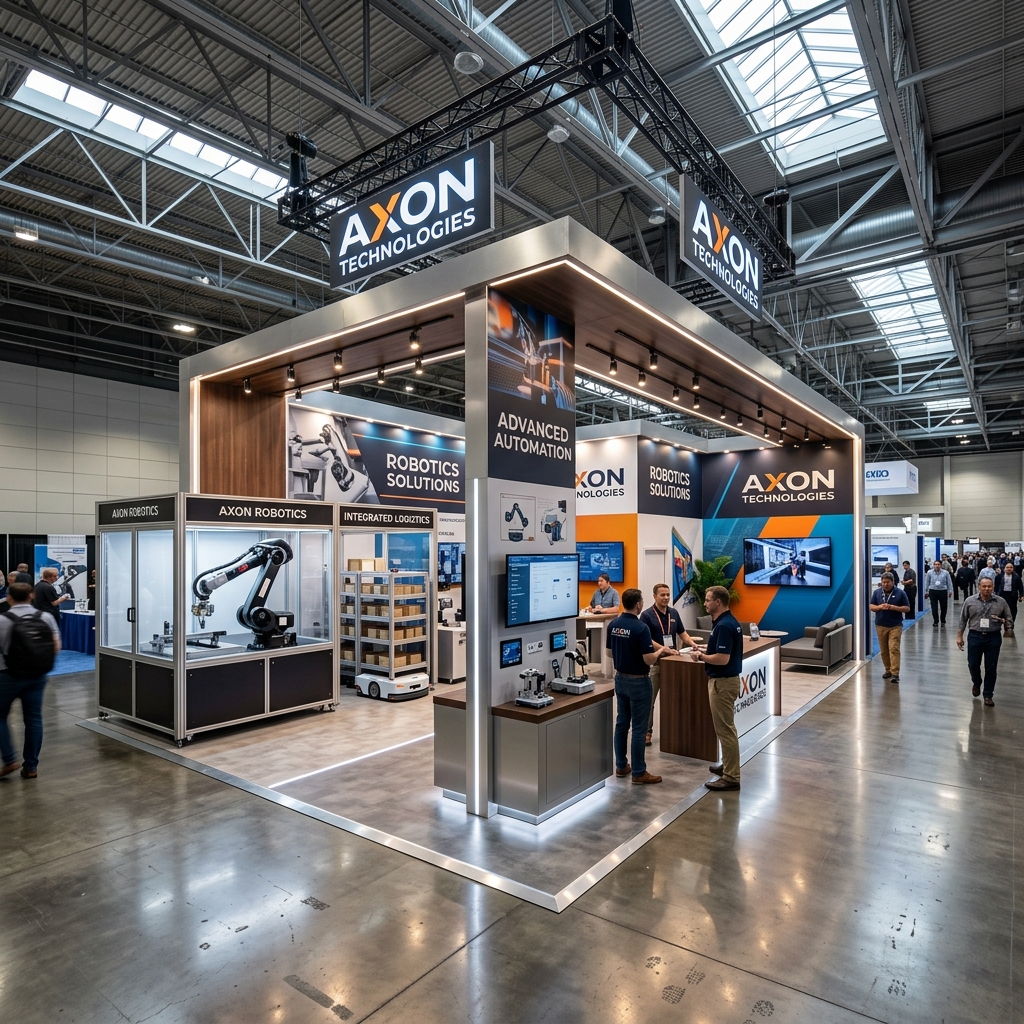
Chicago holds a position in the trade show world that few cities can match: it's centrally located, easy to reach from both coasts, and home to McCormick Place, the largest convention center in North America. That combination has made the city a default choice for manufacturing, industrial, and technology-driven trade shows that need serious floor space and a broad national draw. Unlike markets built around consumer electronics or software, Chicago's technology trade show calendar leans heavily toward applied and industrial technology: robotics, automation, AI-driven manufacturing, packaging systems, and digital health tools. The buyers walking the floor at a Chicago show are often evaluating equipment and platforms they intend to deploy within the year, which makes this one of the most commercially serious exhibit environments in the country. This guide covers the technology trade show landscape in Chicago, why the city works for exhibitors, and how to plan a booth presence that holds up on one of the largest show floors in the world.
Why Chicago Is a Top Destination for Technology Trade Shows
Chicago's advantage starts with scale and location. McCormick Place spans more than 2.6 million square feet of exhibition space across its Lakeside Center, North, South, and West buildings, making it the largest convention facility in North America. That scale allows the city to host shows with tens of thousands of attendees and thousands of exhibitors without splitting the event across multiple venues.
A few other factors reinforce Chicago's position, as highlighted by Choose Chicago's visitor and convention data:
- Central geography. A flight from either coast runs under four hours, and the city sits within a day's drive of a large share of the U.S. manufacturing base, which matters for shows built around industrial buyers.
- O'Hare and Midway access. Two major airports give exhibitors flexibility on flights, freight, and staff travel that few other convention markets can offer.
- Deep local production and labor infrastructure. Decades of trade show history in Chicago have built up a strong base of fabrication shops, freight carriers, and show labor experienced specifically with McCormick Place's union requirements and building logistics.
- A calendar anchored by flagship industrial shows. Chicago isn't chasing a single tech-week identity. Instead, it hosts some of the largest recurring events in manufacturing, packaging, food technology, and home goods, each with a growing technology and automation component.
For exhibitors, this means Chicago tends to attract buyers with real budget authority and near-term purchase timelines, particularly in manufacturing and industrial technology, where the show floor often functions as a working sales environment rather than a brand-awareness stop.
The Largest Technology-Adjacent Conventions in Chicago
Chicago hosts several massive technology-adjacent trade shows throughout the year:
- IMTS, The International Manufacturing Technology Show. Held every two years at McCormick Place, IMTS is the largest manufacturing technology show in the Western Hemisphere. The 2026 edition runs September 14 through 19 and is expected to bring in more than 90,000 attendees and roughly 2,000 exhibitors across more than a million square feet of floor space. The show is organized around specific sectors by building: metal removal and additive manufacturing, tooling and workholding, automation and smart production, and software and quality assurance. For companies building industrial robotics, AI-driven manufacturing tools, or CNC and automation systems, IMTS is one of the highest-value floors in the country.
- PACK EXPO International. This packaging and processing technology show draws around 50,000 attendees and thousands of international buyers to McCormick Place, with a growing emphasis on robotics, automation, and connected packaging lines.
- The Inspired Home Show. North America's leading housewares and lifestyle trade show now features an expanded smart home and retail technology presence, drawing thousands of exhibitors and retail buyers evaluating connected products and in-store analytics tools.
- IFT FIRST. A leading global event for food science and technology, with an increasing focus on food safety technology, traceability platforms, and automation in food processing and R&D.
- ASCO Annual Meeting. While built around oncology research, this event has become a significant venue for health technology companies, with expanded visibility for AI-driven diagnostics, digital health platforms, and clinical workflow tools.
- Chicago Build Expo and related construction technology events. These events highlight the digital transformation of infrastructure and building projects, including smart-building systems and construction automation.
The pattern across Chicago's calendar is consistent: technology shows up as the mechanism that makes an established industry faster, safer, or more connected, rather than as a category on its own. Exhibitors who can speak directly to operational outcomes, uptime, throughput, cost per unit, diagnostic accuracy, tend to outperform those leading with a generic innovation pitch.
Planning Your Exhibit: What to Get Right Early
Shows at McCormick Place run at a scale that punishes late planning more than most venues. Booth space at flagship events like IMTS is often contracted a full show cycle in advance, and union labor schedules leave little room for last-minute adjustment.
Timeline Before the Event
A realistic planning window for a mid-size to large exhibit at a McCormick Place show looks like this:
- 12 months out: Confirm show selection and booth space, particularly for biennial events like IMTS where prime locations go early.
- 9 to 12 months out: Set budget and begin design concepting.
- 6 to 9 months out: Approve final design and structural engineering, especially for exhibits with heavy equipment or machinery on display.
- 3 to 4 months out: Finalize graphic production and confirm staffing plans.
- 6 to 8 weeks out: Lock freight, drayage, and rigging orders with the show's general contractor.
- 2 to 3 weeks out: Confirm install and dismantle schedules, accounting for McCormick Place's union labor rules.
- Show week: Install, show support, and dismantle.
Exhibits involving heavy machinery, live equipment demonstrations, or structural rigging need the longer end of this runway, since McCormick Place requires engineering documentation and load calculations well ahead of move-in.
Choosing the Right Booth Size
Booth size in Chicago is often dictated by what needs to physically fit inside it. A software or diagnostics company demonstrating a platform on screens can operate comfortably in a 10x20 inline space. A manufacturer displaying a working CNC machine or robotic arm typically needs an island exhibit of 20x20 or larger, both for the equipment itself and for the safety clearance required around live machinery. At shows like IMTS, where equipment demonstrations are the norm rather than the exception, exhibitors consistently underestimate how much floor space a real demo requires until they're standing in the space with the machine.
Rental vs. Custom Exhibits
Custom exhibits tend to make the most sense for companies exhibiting at the same flagship show, like IMTS or PACK EXPO, on a recurring cycle, where the structure can be engineered specifically around heavy equipment, rigging points, or a signature brand element that needs to travel well and hold up over multiple shows.
Rental exhibits are often the better choice for companies testing a new vertical, exhibiting at several different Chicago shows in the same year, or managing a tighter budget without sacrificing a polished presentation. Modern rental systems use the same aluminum extrusion framing as custom builds, so exhibitors no longer need to choose between flexibility and design quality. Elevate Exhibits builds every exhibit, custom or rental, on reusable aluminum framing systems, which supports both budget discipline and consistent brand presentation across shows. Learn more about our approach on our Trade Show Booth Execution page.
Budget Considerations
McCormick Place operates under some of the most detailed labor and drayage rules of any convention center in the country, and exhibitors who don't plan for this end up with unexpected costs. A complete budget should account for booth design and fabrication, graphic production, freight and drayage, union labor for installation and dismantle, equipment rigging if applicable, storage between shows, and show services like electrical and internet billed through the general contractor. Companies exhibiting at IMTS with heavy machinery should also budget for structural engineering review, since McCormick Place requires documentation for any exhibit exceeding certain weight or height thresholds.
Common Exhibitor Mistakes at Chicago Shows
Even experienced marketing teams can run into logistical roadblocks on a floor as large as McCormick Place. Be sure to avoid these pitfalls:
- Underestimating union labor timelines. McCormick Place runs on strict jurisdictional labor rules, and exhibitors who don't build in buffer time for install and dismantle frequently lose hours they didn't plan for.
- Undersizing the booth relative to the equipment on display. This shows up constantly at manufacturing and industrial shows, where a booth that looked right on paper turns out too small once the actual machine, safety clearance, and demo space are accounted for.
- Missing structural documentation deadlines. Exhibits with rigging, overhead signage, or heavy equipment need engineering sign-off well before move-in, and missing that deadline can delay or block installation entirely.
- Treating a biennial show like an annual one. For companies exhibiting at IMTS, the two-year gap between shows means booth strategy, staffing plans, and even the product lineup often need a full refresh rather than a repeat of the last cycle.
Maximizing ROI on the Show Floor
To ensure your investment delivers measurable results, align your strategy around a few core practices:
- Let the equipment do the talking. At industrial and manufacturing shows, buyers want to see the product running, not just rendered on a screen. Design the booth to support a live demo whenever the product allows for it.
- Staff with people who can answer technical questions on the spot. Buyers at shows like IMTS or PACK EXPO are frequently engineers or plant managers evaluating real specifications. A booth staffed only with sales generalists loses credibility quickly in these conversations.
- Plan for a longer sales cycle. Industrial technology purchases rarely close on the show floor. The strongest-performing exhibitors treat the show as the top of a multi-month sales cycle and build their follow-up cadence accordingly.
- Track qualified leads against production budget. With McCormick Place shows carrying higher labor and drayage costs than many other venues, tying spend to a qualified lead count and eventual close rate is the clearest way to validate the investment.
Post-Show Follow-Up: Where Most Shows Are Won or Lost
Leads gathered at a McCormick Place show need to move into a CRM and follow-up sequence quickly, especially for shows like IMTS where the buying cycle can stretch for months after the event closes. A structured debrief with the exhibit and sales teams, covering what generated the strongest conversations, what technical questions came up repeatedly, and what should change before the next cycle, consistently improves results at the next show.
How Elevate Exhibits Supports Companies Exhibiting in Chicago
Elevate Exhibits brings a full-service, design-build approach to manufacturing, industrial technology, healthcare, and consumer brands exhibiting at McCormick Place and other major Chicago venues. Our team manages concept design, structural engineering, fabrication, graphic production, freight and logistics, and on-site installation and dismantle, so exhibitors have a single point of accountability instead of coordinating multiple vendors under tight union labor rules. Explore our past work on our Our Work portfolio page.
We build on reusable aluminum framing systems and offer a graphics recycling program, which keeps every exhibit ready for its next show rather than discarded after one use. Whether the project calls for a custom island exhibit engineered around live equipment demonstrations or a rental package that keeps a growing company flexible across multiple Chicago shows, our process, from initial consultation through post-show debrief, is built to protect budget, timeline, and peace of mind. We also create unique spaces for Brand Activations, Branded Production/User Conferences, and Corporate Environment Design.
Frequently Asked Questions
What is the largest technology-related trade show in Chicago?
IMTS, The International Manufacturing Technology Show, is the largest, drawing more than 100,000 attendees and roughly 2,000 exhibitors to McCormick Place every two years across more than a million square feet of exhibit space.
How far in advance should I book a booth for a Chicago show at McCormick Place?
For a custom exhibit at a flagship event like IMTS, 12 months out is a safe planning window, since prime locations at biennial shows go early. Rental exhibits can typically be planned in 4 to 6 months.
Is a rental exhibit a good option for a first-time exhibitor at McCormick Place?
Yes. Rental exhibits let first-time exhibitors present a polished, on-brand booth while testing a show's audience and format, without the longer lead time and structural engineering process a custom build often requires.
What size booth is right for a manufacturing or industrial technology company at McCormick Place?
It depends on the equipment being shown. Companies displaying live machinery generally need a 20x20 island or larger to accommodate the equipment itself plus required safety clearance, while software and diagnostics companies can often work well in a 10x20 inline space.
Does Elevate Exhibits handle logistics and structural engineering for Chicago shows, or just the booth?
Elevate Exhibits manages the full scope, including structural engineering documentation, freight, drayage coordination, installation, dismantle, and on-site support, in addition to design and fabrication.
Exhibiting at a technology trade show in Chicago this year? Elevate Exhibits handles design, fabrication, logistics, and installation across every major Chicago venue, and we will get back to you promptly with a detailed quote built around your show, your budget, and your timeline.

Elevate Exhibits Team
Experiential Marketing Experts